Key Takeaways
- Allocation: 12% of AUM in Q1 2026
- Targets: Logistics, student housing, REITs
- Returns: Logistics 15-20%, student housing 12-18%
- Signal: Institutional capital entering market
Nigerian pension funds increased their real estate allocation to an average 12% of total assets under management (AUM) in Q1 2026 — the highest proportion ever recorded — according to PenCom quarterly reports and disclosures from major fund managers (Stanlib, ARM, Leadway, Legacy).
This shift from the previous 6–9% range reflects growing institutional confidence in real estate as an inflation hedge, income generator, and diversification tool amid moderating inflation and improved infrastructure outlook.
Allocation Breakdown by Sector (Q1 2026)
- Logistics & Warehousing: 45% of real estate AUM
- Drivers: E-commerce growth, port/rail expansions
- Typical yields: 14–20% (long leases)
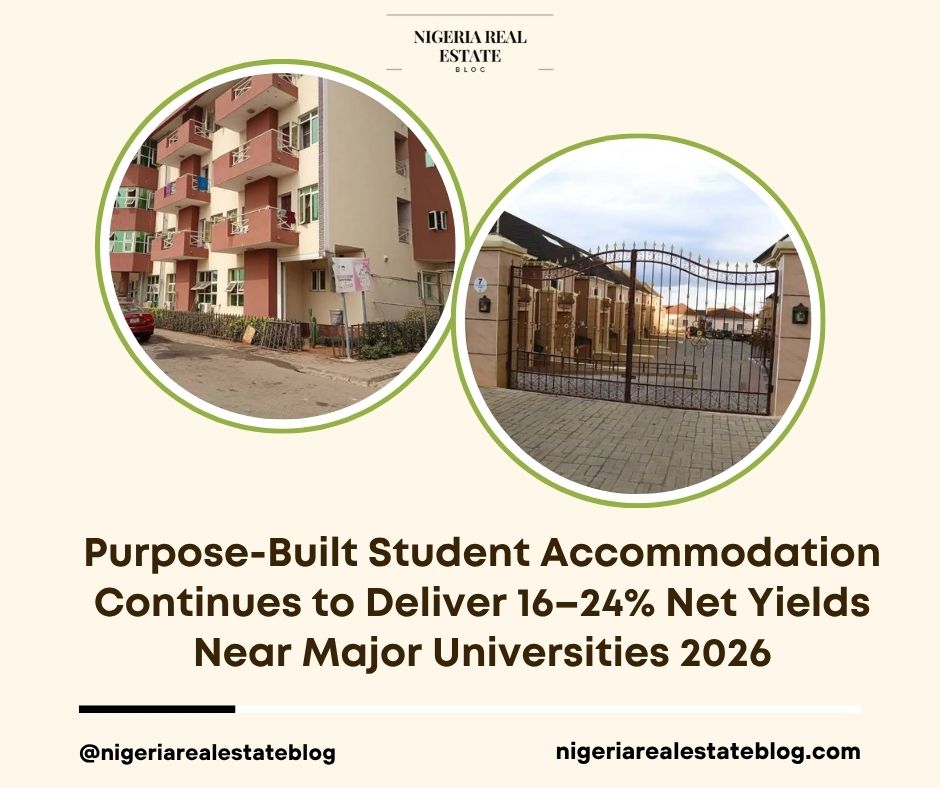
- Student Housing / PBSA: 25%
- Drivers: University enrollment surge, purpose-built accommodation demand
- Typical yields: 15–22% (high occupancy)
- Mid-Market Residential REITs: 30%
- Drivers: Affordable housing shortage, FMBN incentives
- Typical yields: 12–18% (blended residential + commercial)
Top Funds Leading the Trend (Q1 2026)
- Stanlib Nigeria Property Fund
- Real estate AUM allocation: 14.5%
- Key holdings: Logistics parks (Apapa/Ibadan), mid-market residential REITs
- ARM Pensions
- Allocation: 13.8%
- Focus: Student housing in Lagos/Abuja + warehouse acquisitions
- Leadway Assurance Pension
- Allocation: 12.7%
- Emphasis: Logistics & mixed-use in emerging corridors
- Legacy Pension Managers
- Allocation: 11.9%
- Balanced: Warehousing 50%, residential REITs 50%
Blended Returns & Performance (Q1 2026)
- Average net yield across allocations: 13–19%
- Logistics: 14–20%
- Student housing: 15–22%
- Mid-market residential REITs: 12–18%
- Capital appreciation: 8–15% YTD in logistics & student housing assets
- Overall real estate portfolio return: 15–21% annualized
What It Means for Private Investors in 2026
- Institutional validation — Pension fund entry signals reduced perceived risk → attracts more retail & diaspora capital
- Yield compression — Increased competition may moderate yields slightly (13–19% range stable)
- Liquidity boost — More REIT listings & secondary market activity on NGX
- Private investor strategies — Co-invest with funds (minimum ₦50M–₦200M), buy into REITs for indirect exposure, or target logistics/student housing directly in emerging corridors
- Risks — Regulatory changes (PenCom limits), developer defaults (mitigated by institutional due diligence)
Final Thoughts
The 12% average allocation by Nigerian pension funds to real estate in Q1 2026 marks a structural shift — treating property as a core asset class for income and inflation protection.
For private investors: follow institutional leads into logistics, student housing, and mid-market REITs for resilient yields. For developers: pension capital opens larger-scale opportunities.
Are you allocating to real estate via REITs or direct? Which sector are you most bullish on? Share below!
Disclaimer: This information is for general purposes only and not legal advice. Consult a qualified real estate lawyer for guidance.
Join Over 11,000 Real Estate Enthusiasts! Stay ahead with our quick 5-minute roundup of Nigerian and global real estate updates, delivered to your inbox every weekday. Don’t miss out on insider tips, market trends, and exclusive listings!
Frequently Asked Questions
How much are pension funds investing in real estate?
12% of total assets under management in Q1 2026.
Which sectors are pension funds targeting?
Logistics, student housing, and REITs are primary targets.