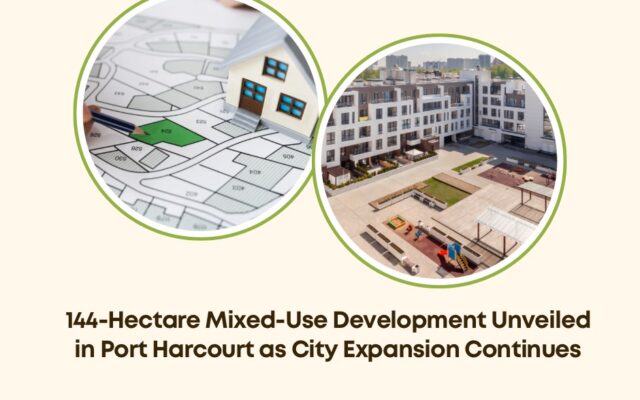
Nigeria’s $20 billion real estate market offers 10–15% returns, but many think you need millions to start (source: Nigeria Property Centre, 2025). Wrong! With just ₦50,000, you can dip your toes into property investments, thanks to REITs, crowdfunding, and proptech. Whether you’re a student in Enugu or a diaspora Nigerian in London, 2025 is your year to build wealth.
This Investing guide shares 5 ways to start investing in Nigerian real estate with ₦50,000 in 2025, with platforms, costs, and tips. Perfect for beginners, it’s your roadmap to financial growth.
Table of Contents
- Real Estate Investment Trusts (REITs)
- Crowdfunding Micro-Investments
- Fractional Ownership Shares
- Land Co-Ownership Plans
- Short-Let Investment Pools
- How to Kickstart Your Investment
1. Real Estate Investment Trusts (REITs)
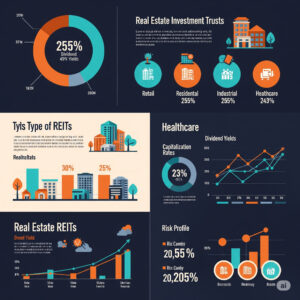
Cost: ₦50,000–₦200,000
Why It Works: REITs pool funds to buy properties, paying 8–12% dividends. No property management needed!
Platform: Skyline REIT on Nigerian Exchange (ngxgroup.com, ₦50,000 minimum).
Example: Temi, a Lagos student, invested ₦50,000 in Skyline REIT, earning ₦5,000/year.
Tip: Use brokers like ARM Securities (₦3,000 fee). Check SEC registration (sec.gov.ng).
2. Crowdfunding Micro-Investments
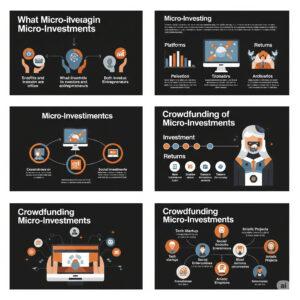
Cost: ₦50,000–₦100,000
Why It Works: Fund new developments for 10–15% returns in 12–24 months.
Platform: Crowdx (crowdx.ng, ₦50,000 entry).
Example: Kemi, a diaspora Nigerian, crowdfunded ₦50,000 for an Abuja estate, earning ₦7,500 after 18 months.
Tip: Choose projects with clear timelines. Verify with SEC (₦5,000).
Cross-Link: Learn market trends in our opinions piece.
3. Fractional Ownership Shares
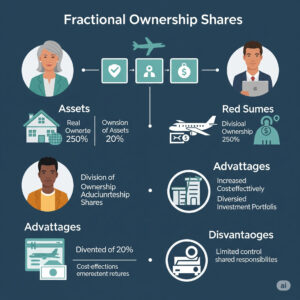
Cost: ₦50,000–₦500,000
Why It Works: Own a tiny share of rental properties, earning 8–10% rental income.
Platform: Wealth.ng (wealth.ng, ₦50,000 minimum).
Example: Chidi, a Port Harcourt teacher, bought a ₦50,000 share in a Lekki flat, earning ₦4,000/year.
Tip: Use proptech platforms for transparency (see our proptech guide).
4. Land Co-Ownership Plans
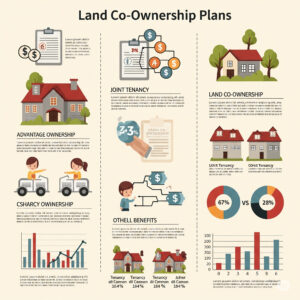
Cost: ₦50,000–₦200,000
Why It Works: Co-own plots in emerging areas like Ibeju-Lekki for 20–30% appreciation in 3 years.
Platform: LandWey (landwey.ng, ₦50,000 entry).
Example: Aisha, an Enugu freelancer, co-owned a ₦50,000 Epe plot share, now worth ₦65,000 after 2 years.
Tip: Verify titles with ESVARBON (₦30,000).
5. Short-Let Investment Pools
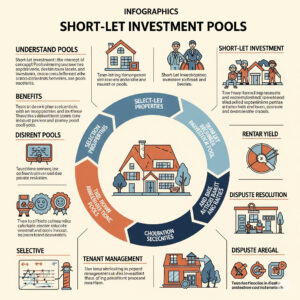
Cost: ₦50,000–₦300,000
Why It Works: Fund short-let properties (e.g., Airbnb) in Lagos or Calabar for 12–15% ROI.
Platform: Spleet (spleet.africa, ₦50,000 minimum).
Example: Emeka, a VI bartender, invested ₦50,000 in a VI short-let pool, earning ₦6,000/year.
Tip: Target tourist hubs like Calabar (see our travel guide).
6. How to Kickstart Your Investment
- Set a Budget: Start with ₦50,000–₦100,000.
- Choose Platforms: Use SEC-registered sites like Crowdx or Spleet (₦3,000–₦5,000 fees).
- Verify Legals: Check with ESVARBON or SEC (₦30,000–₦50,000).
- Diversify: Spread ₦50,000 across REITs and crowdfunding for safety.
Build Wealth with ₦50,000
Nigeria’s real estate market is booming, and you don’t need millions to join. This Investing guide shows how ₦50,000 can kickstart your journey in 2025. Share it to inspire others!
Share This Post: Post on LinkedIn, X, WhatsApp, Instagram, or TikTok to spread the investment vibe! 💰
Subscribe to Nigeria Real Estate Blog for more investing tips, proptech insights, and travel guides!