Key Takeaways
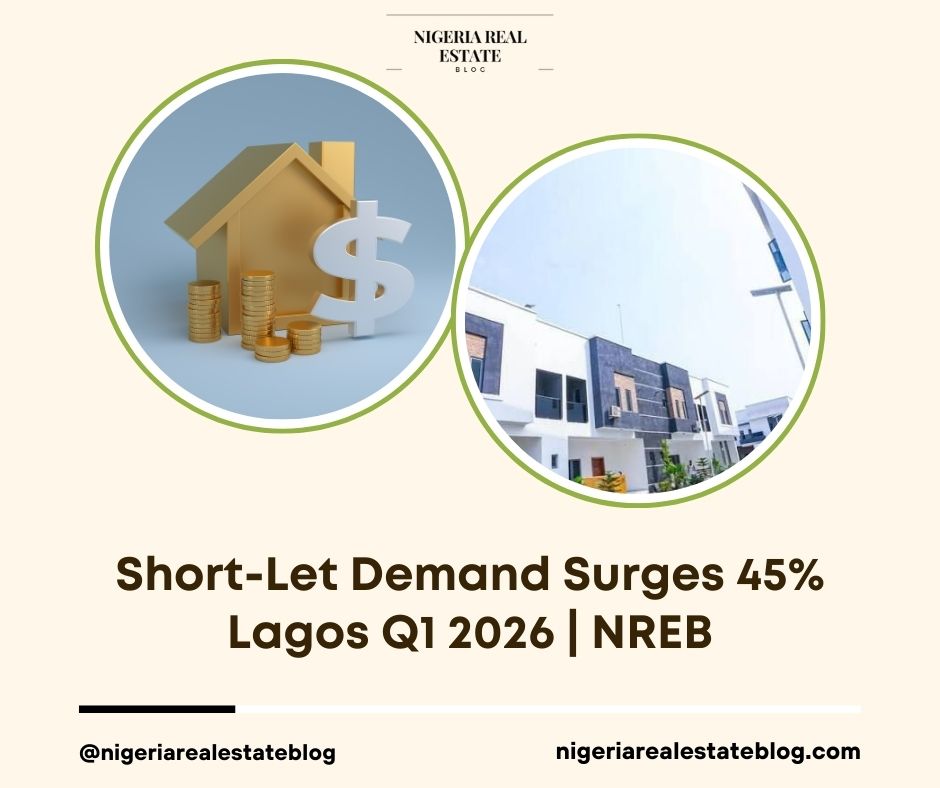
- Surge: Short-let demand in Lagos rose 45% in Q1 2026 vs Q1 2025 – far outpacing traditional rentals (+18%).
- Top Zones: Lekki and Victoria Island lead with furnished units hitting 85–95% occupancy.
- Net Yields: Average short-let yields reached 22–28% in prime areas (after management costs).
- Q2 Outlook: Expect continued growth; hosts should add solar backup & Wi-Fi for 15–25% rate premium.
Short-let demand in Lagos rose 45% in Q1 2026 compared to Q1 2025, significantly outpacing traditional long-let rentals (+18%), according to aggregated data from Airbnb, Spleet, Quicken, and local platforms. Business travelers, diaspora visitors, and corporate relocations are driving the surge, favoring furnished units with reliable solar/inverter backup and high-speed Wi-Fi in Lekki and Victoria Island.
Why Short-Lets Are Outperforming Traditional Rentals
Short-lets benefit from higher nightly rates, flexible pricing, and strong demand from non-resident visitors. Traditional rentals face longer vacancy periods and lower per-unit revenue in the same period.
Demand Ranking by Property Type (Q1 2026)
| Type | MoM Growth (Feb 2026) | Q1 vs Q1 2025 Growth | Avg Occupancy |
|---|---|---|---|
| Furnished 1-bed studios | +52% | +48% | 88–94% |
| Furnished 2-bed apartments | +38% | +45% | 85–92% |
| Furnished 3-bed apartments | +28% | +36% | 82–90% |
| Traditional unfurnished rentals | +12% | +18% | 70–80% |
Top 10 Short-Let Hotspots in Lagos (Q1 2026)
- Lekki Phase 1 & Extension – +58% demand
- Victoria Island – +54%
- Ikoyi – +49%
- Yaba / Mainland tech hub – +46%
- Surulere – +42%
- Gbagada – +39%
- Ojodu-Berger – +36%
- Ikeja GRA – +34%
- Maryland / Anthony – +32%
- Lekki-Epe corridor – +30%
Yield & Occupancy Breakdown (Q1 2026)
- Lekki Phase 1: 26–32% net yield, 90–95% occupancy
- Victoria Island: 24–30% net, 88–93%
- Ikoyi: 23–29% net, 85–92%
- Yaba/Surulere (mid-market): 18–24% net, 80–88%
Management Costs & Net Yield Example (Typical 2-Bed Lekki Unit)
| Item | Annual (₦) | % of Revenue |
|---|---|---|
| Gross revenue (₦85k/night × 90% occ.) | ~27.5M | 100% |
| Management fee (20%) | 5.5M | 20% |
| Maintenance & utilities (10%) | 2.75M | 10% |
| Platform fees (15%) | 4.1M | 15% |
| Net income | ~15–16M | 55–58% |
| Net yield on ₦80M investment | 19–20% | — |
Why is short-let demand surging in Lagos in 2026?
Business travelers, diaspora visitors, and corporate relocations need flexible, furnished accommodation with reliable power and Wi-Fi. Short-lets offer higher revenue per unit than traditional rentals.
Which Lagos zones have the highest short-let yields in Q1 2026?
Lekki Phase 1 & Extension lead at 26–32% net yield, followed by Victoria Island (24–30%) and Ikoyi (23–29%), driven by 85–95% occupancy and premium nightly rates.
What costs should hosts budget for short-lets in Lagos?
Typical costs: management (20%), maintenance/utilities (10%), platform fees (15%), totaling 40–45% of gross revenue. Net yields average 19–25% after expenses on well-managed properties.
Will short-let demand continue growing in Q2 2026?
Yes – business travel and diaspora visits are expected to rise. Hosts should add solar/inverter backup and high-speed Wi-Fi to maintain 15–25% rate premium and 85%+ occupancy.
Should investors switch from long-let to short-let in Lagos?
Short-lets offer 22–28% average net yields vs 8–14% for long-let, but require active management, furnishing costs, and compliance with Lagos tourism regulations.
Disclaimer: This information is for general purposes only and not legal advice. Consult a qualified real estate lawyer for guidance.
Join Over 11,000 Real Estate Enthusiasts! Stay ahead with our quick 5-minute roundup of Nigerian and global real estate updates, delivered to your inbox every weekday. Don’t miss out on insider tips, market trends, and exclusive listings!