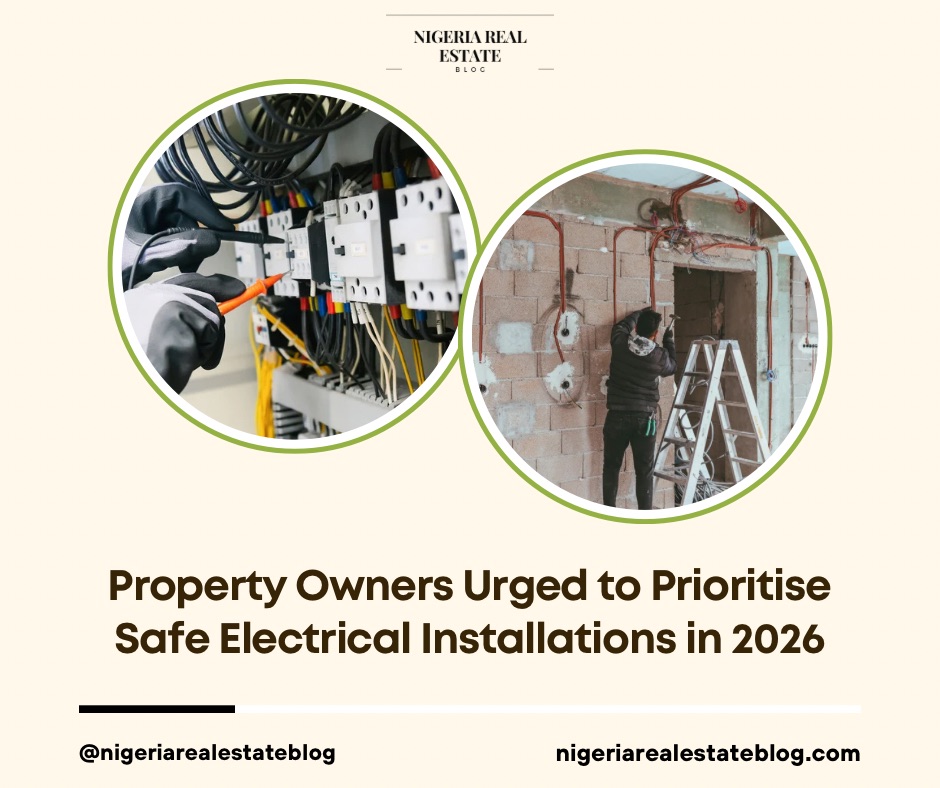
Property and Business Owners Urged to Prioritise Safe Electrical Installations in 2026
Experts and safety advocates are once again calling on property and business owners across Nigeria to prioritise safe electrical installations, the use of quality materials, and regular inspections. Poor electrical work continues to rank among the leading contributors to fire outbreaks and other building-related risks.
In a market where many properties are still completed or modified without strict professional oversight, the quality of electrical installations often receives less attention than finishing and aesthetics. This gap creates avoidable hazards for occupants, tenants and investors.
Why Electrical Safety Matters
Faulty wiring, substandard materials, overloaded circuits, and improper installations are frequently linked to fire incidents in residential and commercial buildings. Beyond the immediate danger to lives, these problems can lead to:
• Significant property damage
• Insurance complications
• Costly emergency repairs
• Loss of rental income
• Legal liability for owners and managers
In multi-unit buildings and estates, a single poorly executed installation can affect multiple occupants.
Common Problems Seen in Nigerian Properties
1. Use of substandard or counterfeit electrical cables and fittings
2. Overloaded circuits and inadequate distribution boards
3. Poor earthing and lack of proper protective devices
4. Unlicensed or unqualified electricians handling major works
5. Absence of regular inspection and maintenance schedules
6. Illegal or unplanned modifications after initial installation
Practical Steps Property Owners Should Take
1. Engage Only Qualified Professionals
Always use certified and experienced electricians for both new installations and major upgrades. Request proof of competence and previous work references where possible.
2. Insist on Quality Materials
Specify and verify the use of standard, approved cables, breakers, sockets and other fittings. Avoid the temptation of the cheapest available options.
3. Demand Proper Documentation
For new or major works, request a simple layout or record of the installation, including the rating of key components and the location of distribution boards.
4. Install Adequate Protective Devices
Ensure the property has appropriate circuit breakers, residual current devices (where suitable), and proper earthing.
5. Schedule Regular Inspections
Do not wait for a problem to appear. Periodic visual checks and professional inspections help identify wear, overloading or deterioration early.
6. Control Modifications
In rental properties, require tenants to seek approval before making any electrical changes. Unauthorised work is a frequent source of risk.
7. Educate Occupants
Simple awareness — avoiding overloaded sockets, reporting unusual heat or burning smells, and not interfering with distribution boards — can prevent many incidents.
Special Considerations for Landlords and Estate Managers
• Include electrical safety as part of routine property inspections
• Budget for periodic upgrades of ageing installations
• Maintain clear records of work done by contractors
• Respond promptly to tenant complaints about electrical issues
• Consider electrical safety when evaluating insurance coverage
Final Thoughts
Safe electrical installations are a fundamental part of responsible property ownership. While finishing and location often dominate buying and rental decisions, the quality of the electrical system directly affects safety, liveability and long-term value.
In 2026, with rising property values and denser urban living, the cost of neglecting electrical safety is higher than ever. Property and business owners who treat it as a priority — by using qualified professionals, insisting on standard materials, and maintaining regular checks — significantly reduce risk for themselves and their occupants.
Prevention remains far cheaper and safer than dealing with the aftermath of an electrical fire or system failure.
Join Over 11,000 Real Estate Enthusiasts!
Stay ahead with our quick 5-minute roundup of Nigerian and global real estate updates, delivered to your inbox every weekday. Don’t miss out on insider tips, market trends, and exclusive listings!