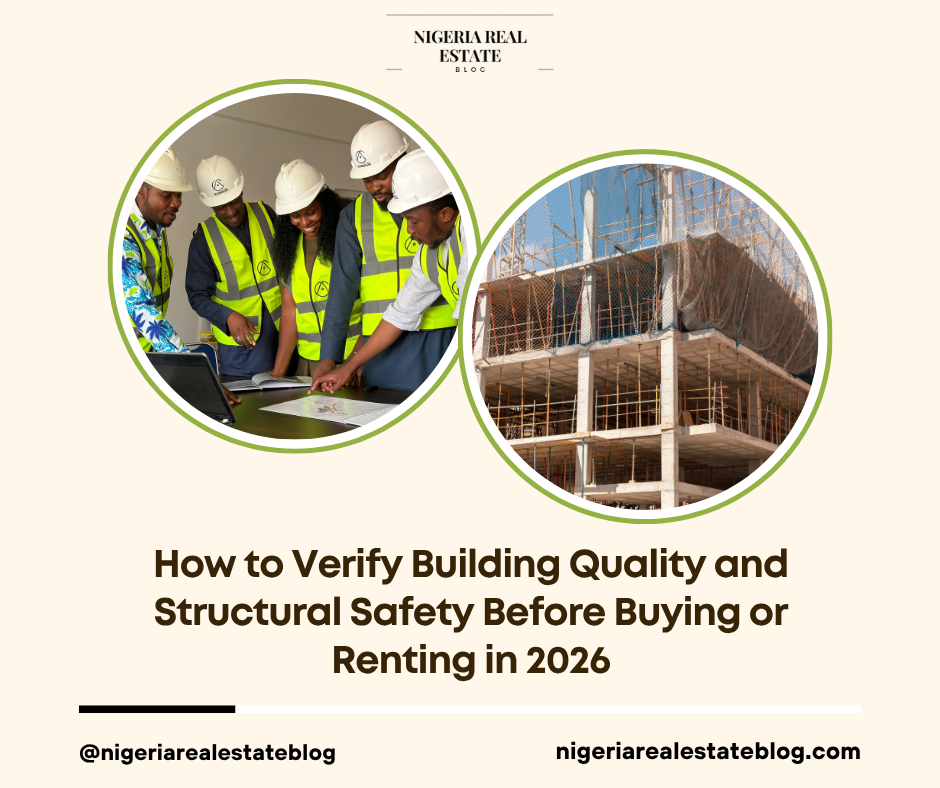
With renewed national attention on building collapses and construction standards, verifying the quality and structural safety of a property has become more important than ever. In 2026, buyers and tenants who skip proper checks risk not only financial loss but also serious safety hazards.
Here is a practical checklist to help you assess building quality and structural safety before committing to any purchase or long-term rental.
1. Check for Visible Structural Warning Signs
Walk around the entire building (inside and outside) and look carefully for:
- Cracks in walls, columns, beams or floors (especially diagonal or widening cracks)
- Sagging or uneven floors
- Bulging or leaning walls
- Doors and windows that no longer close properly
- Signs of water damage, dampness or mould in structural areas
- Rust stains on concrete (possible reinforcement corrosion)
Any of these should prompt further professional investigation.
2. Confirm the Building Has Proper Approvals
Ask for and verify:
- Approved building plan
- Development permit / planning approval
- Certificate of structural integrity or stage certification (where applicable)
- Evidence that the building was supervised by registered professionals (COREN-registered engineer, registered builder, etc.)
In Lagos, confirm LASPPPA compliance where relevant. Unapproved or illegally altered buildings carry higher risk.
3. Engage a Qualified Professional for Inspection
For any serious purchase (and recommended for major rentals), hire:
- A registered structural engineer or
- A qualified building surveyor / registered builder
Request a written inspection report covering structural elements, materials quality, and any observed defects. Do not rely solely on the seller’s or agent’s assurances.
4. Review the Construction and Maintenance History
Ask questions such as:
- When was the building constructed or last majorly renovated?
- Who were the original developers and supervising professionals?
- Have there been any previous structural repairs or complaints?
- Is there a maintenance log for the building or estate?
Older buildings or those with a history of poor maintenance require extra caution.
5. Assess Materials and Workmanship
Where possible, check or ask about:
- Quality of concrete and reinforcement used
- Type and condition of roofing structure
- Plumbing and electrical installations (poor workmanship can indicate broader quality issues)
- General finishing standards (often a proxy for overall care during construction)
6. Evaluate the Immediate Environment
Structural safety is also affected by:
- Drainage and flooding risk around the building
- Nearby excavation or construction activity
- Soil conditions (especially in reclaimed or waterlogged areas)
- Evidence of previous foundation problems in neighbouring buildings
7. Demand Proper Documentation Before Payment
Never make substantial payments until you have:
- Satisfactory professional inspection report
- Verified title and planning documents
- Clear answers to structural and approval questions
For off-plan purchases, insist on evidence of professional supervision and staged certification.
Quick Structural Safety Checklist
| Check Item | Status (Pass / Fail / Needs Review) | Notes |
|---|---|---|
| No major visible cracks or structural defects | ||
| Approved building plan and permits available | ||
| Professional structural inspection completed | ||
| Construction/supervision history is acceptable | ||
| Materials and workmanship appear sound | ||
| Environment (drainage, soil, neighbours) is OK | ||
| All key documents verified before payment |
Final Tips
- Cheap is expensive when it comes to structural safety.
- A professional inspection fee is a small cost compared with the risk of buying a compromised building.
- If a seller or agent resists proper inspection or documentation, treat it as a red flag.
- For high-rise or complex buildings, insist on more rigorous engineering assessment.
Final Thoughts
In 2026, with greater public and regulatory focus on building collapses, verifying structural safety is no longer optional for serious buyers and long-term tenants. Combining visual checks, document verification and professional inspection gives you the best chance of avoiding properties that put lives and capital at risk.
Take the time to check properly. Your safety and investment depend on it.
What additional checks do you always perform before buying or renting? Share your experience in the comments.
Join Over 11,000 Real Estate Enthusiasts!
Stay ahead with our quick 5-minute roundup of Nigerian and global real estate updates, delivered to your inbox every weekday. Don’t miss out on insider tips, market trends, and exclusive insights!